Laser Cutting Dross: Root Causes, Advanced Diagnostics & Practical Solutions

  • S
    Steven
  • July 24, 2026
  • 12 min read

1. Introduction: The Hidden Cost of Laser Cutting Dross

1.1 What is Laser Cutting Dross?

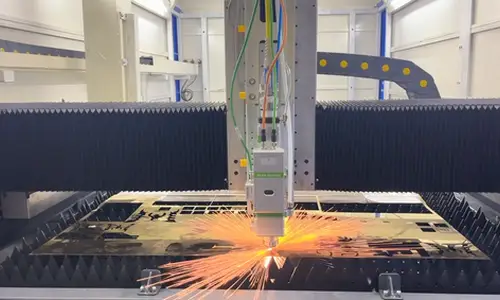
If you have spent any time on the shop floor operating a fiber laser cutting system, you are undoubtedly familiar with laser cutting dross.

Technically speaking, laser cutting dross is the unwanted accumulation of solidified molten metal, metallic oxides, or slag that stubbornly clings to the underside (bottom edge) of laser-cut profiles.

Instead of dropping away cleanly as the laser pierces through, this metal re-solidifies along the lower kerf, turning what should be a finished edge into a rough, jagged tail.

1.2 The Economic & Operational Impact

While a little bit of dross might seem like a minor inconvenience, ignoring laser cutting dross actively drains your shop's profitability.

When dross heavily encrusts your parts, automated assembly lines jam, and your team is forced to rely on costly secondary operations focused on secondary deburring reduction in sheet metal fabrication.

Manual grinding, pneumatic sanding, and chemical deburring devour precious labor hours.

Furthermore, dross ruins the dimensional tolerances required for precision welding, resulting in poor joint fit-up, weak structural integrity, and rejected batches that hurt your customer relationships.

1.3 Article Overview

Solving this problem requires looking far beyond quick fixes or default machine settings.
In this deep-dive guide, we will unpack the thermodynamic physics of dross formation, thoroughly examine the underlying causes of dross in robotic 3d fiber laser cutting, and walk you through an elite, step-by-step engineering framework to permanently optimize your production quality while exploring true dross-free laser cutting solutions.

2. The Physics of Dross Formation: Why Doesn’t the Metal Clear?

2.1 The Ideal Cutting Cycle

To fix dross, we must first understand what happens during a flawless laser cut.

The process relies on a precise, continuous synergy between thermal energy and kinetic force.

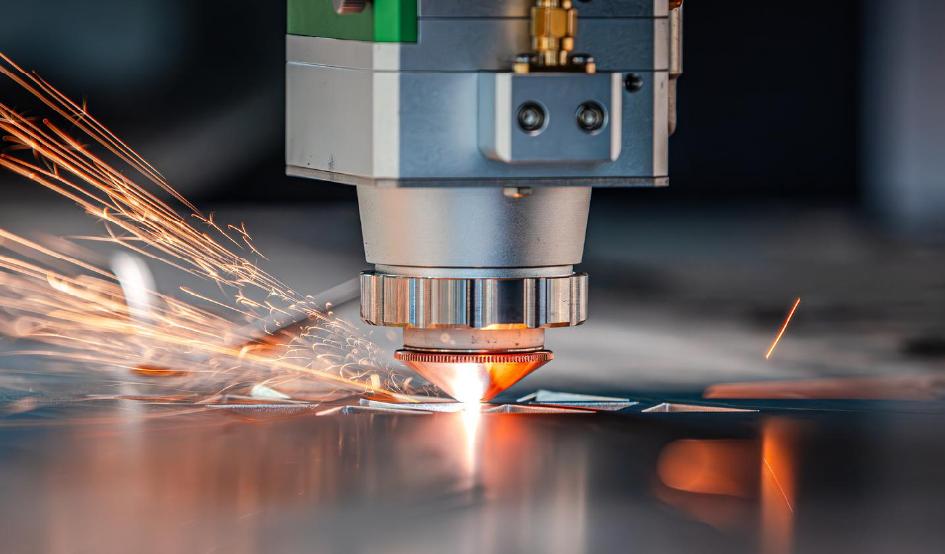
First, the high-power density laser beam focuses onto the material surface, instantly raising its local temperature above the melting and boiling point.

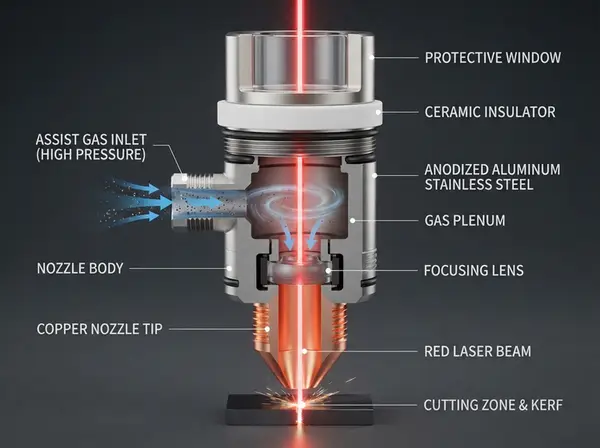
Simultaneously, a coaxial high-pressure assist gas stream (such as oxygen or nitrogen) enters the kerf, exerting massive kinetic momentum.

This gas forces the rapidly liquefied molten metal straight down and completely out of the cut channel.

When power, feed rate, and gas flow are in perfect equilibrium, the molten material vanishes instantly, leaving a pristine edge.

2.2 Where the Process Failures Begin

Dross forms the moment this delicate balance between thermal input and mechanical ejection breaks down.

Broadly speaking, this failure manifests in two distinct ways:

  • Energy Imbalance: If the laser delivers insufficient heat, the bottom layer of thick plate fails to reach a true molten state, leaving a semi-solid burr. Conversely, excessive heat melts too broad an area, creating an unmanageable volume of liquid metal that the gas stream cannot physically handle.
  • Momentum Failure: Even if the metal is fully molten, an inadequate assist gas flow rate, incorrect nozzle distance, or improper pressure will cause the gas to lose its velocity. Without enough kinetic push, the high-viscosity liquid metal stalls, cools down rapidly against the cooler base metal, and solidifies into stubborn laser cutting dross.

3. Deep-Dive: Root Causes of Dross in Fiber Laser Cutting

Systematically diagnosing and resolving dross requires analyzing four core technical dimensions of your laser cutting ecosystem, often overlapping with routine fiber laser cutting machine troubleshooting.

3.1 Category A: Incorrect Cutting Parameters (Process Tuning)

Proper laser cutting parameter optimization is your primary weapon against slag accumulation. Even minor deviations can ruin cut quality:

  • Cutting Feed Rate: This is often the most sensitive parameter. Moving your cutting head too fast prevents the laser beam from fully penetrating and melting the bottom layers of the sheet, leaving hard, stubborn burrs. On the flip side, moving too slow over-melts the material zone, widening the kerf and pooling an excessive volume of liquid metal that inevitably turns into heavy slag.
  • Laser Power & Frequency: Inadequate power density fails to cut cleanly through thick gauges. Additionally, running improper pulse frequencies or duty cycles can cause micro-interruptions in the beam energy, creating localized cooling spots where laser cutting dross forms.
  • Focal Position (Focus Offset): Your focus point determines where the laser beam hits its narrowest waist and highest intensity. If your focus is set too high above the material or buried too deep within, the energy distribution inside the kerf distorts, robbing the bottom edge of the thermal energy required to keep the metal fluid. Applying proper fiber laser focus position adjustment for dross reduction is vital here.

Insufficient power fails to cut through, causing molten residue to accumulate into bumps:
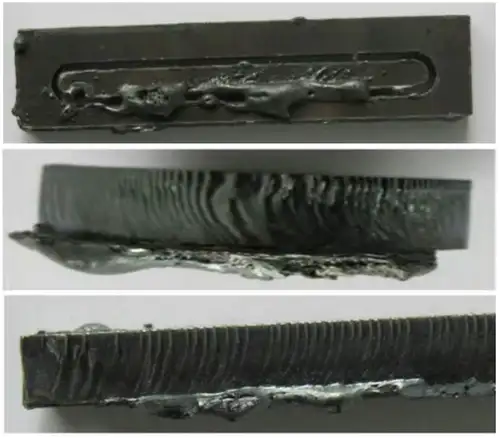
Insufficient power fails to cut through, causing molten residue to accumulate into bumps

Focus position directly affects surface roughness, kerf taper, and width:
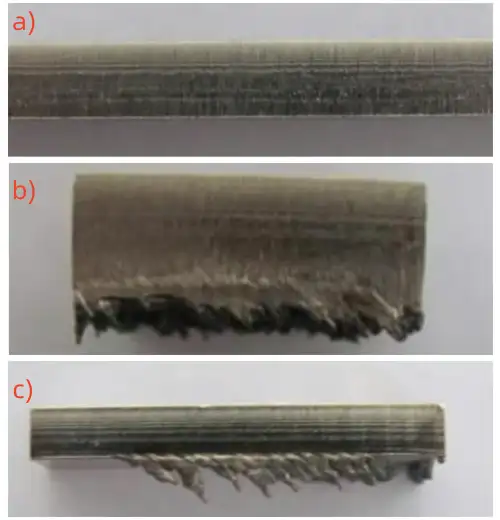
Focus position directly affects surface roughness, kerf taper, and width
a) The focus is correctly position; b) The focal area is a little small; c) The focal area is a little large

3.2 Category B: Assist Gas Dynamics (Pressure & Purity)

The behavior of your assist gas dictates whether the molten material is cleanly evacuated or trapped:

  • Gas Pressure Malfunctions: Getting pressure right is a tightrope walk. If your gas pressure is too low, it lacks the physical thrust needed to push heavy molten metal out of a deep kerf. If your pressure is too high, it creates chaotic aerodynamic turbulence inside the channel. This turbulence can cause pressure drops, prematurely cool the molten metal, or generate back-vortices that push slag back onto the cut walls.
  • Gas Purity Issues: Purity is critical, especially for industrial gases. Low purity levels in Nitrogen (N2N_2​) or Oxygen (O2O_2​) ruin cut integrity. In carbon steel, impure oxygen weakens the exothermic oxidation reaction required to assist the cut. In stainless steel or aluminum, even trace amounts of moisture, hydrocarbons, or oxygen contamination in the nitrogen supply create an oxide film barrier, raising surface tension and locking dross onto the underside.

3.3 Category C: Hardware & Optical Subsystem Failures

ometimes, physical wear and tear across your machine components sabotage otherwise perfect parameters during fiber laser cutting machine troubleshooting:

  • Nozzle Wear & Tear: The nozzle tip is subjected to extreme heat and back-spatter. A deformed, enlarged, or thermally scorched nozzle hole distorts the symmetrical gas curtain surrounding the laser beam, ruining its aerodynamic efficiency. Understanding nozzle wear and alignment in laser cutting dross formation is crucial for maintenance teams.
  • Nozzle Centering (Alignment): If your laser beam is even slightly off-center relative to the nozzle orifice, it creates an asymmetric gas flow. One side of the cut will receive high-pressure clearance while the other side starves, resulting in heavy laser cutting dross on a single edge.
  • Optics Contamination: Dust, micro-debris, or oil residue on your protective cover slides or focus lenses will absorb laser energy. This thermal lensing effect scatters the beam, drastically reducing the effective power density at the material surface.

3.4 Category D: Material Inconsistencies

Not all sheet metal is created equal. Variations in raw material quality can completely disrupt your cutting window:

Inconsistent plate thickness, internal laminations, heavy mill scale, or deep surface rust alter the material's thermal conductivity. When the laser encounters a patch of heavy surface rust or a localized thickness spike, the sudden change in resistance stalls the melting process, instantly generating localized laser cutting dross.
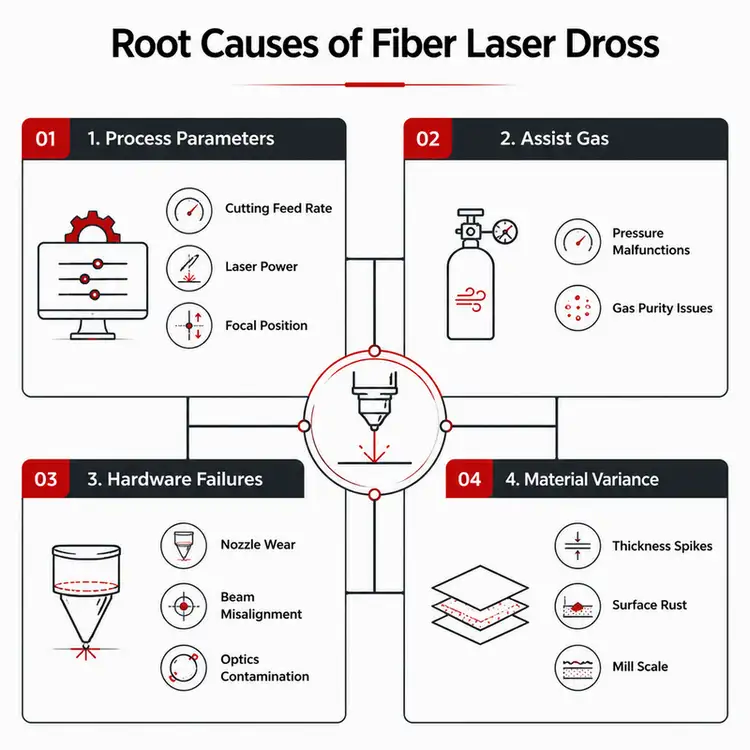
Root Causes of Dross in Fiber Laser Cutting

4. Material-Specific Dross Analysis & Diagnostics

Different engineering materials behave uniquely under a laser beam, requiring specialized approaches to diagnosis and repair as part of implementing true dross-free laser cutting solutions.
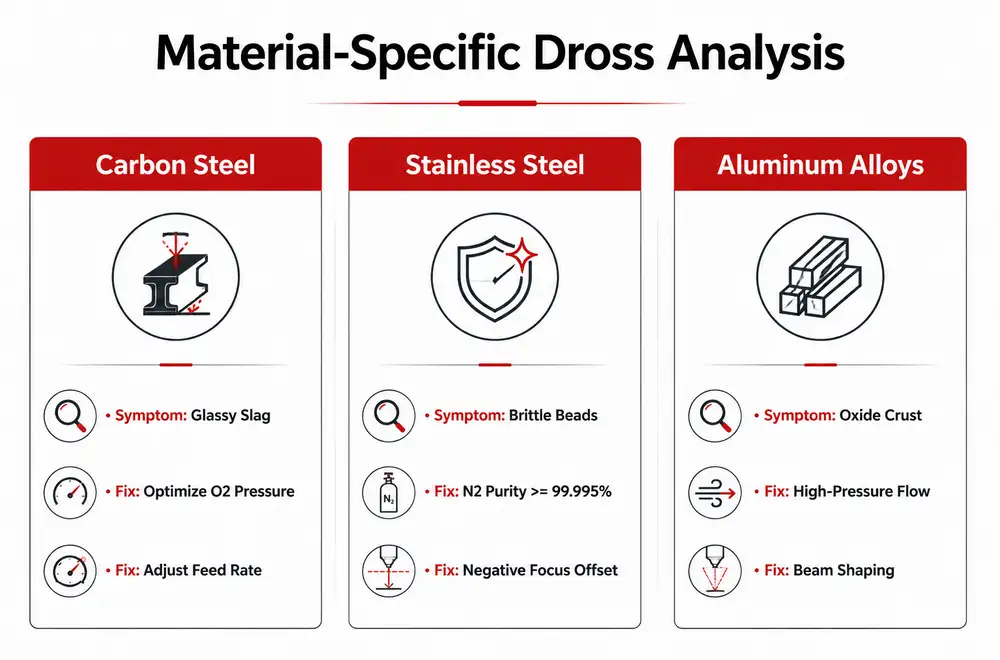
4.1 Carbon Steel (Oxygen-Assisted Cutting)

  • Symptom: Carbon steel cuts typically rely on an exothermic (burning) reaction driven by high-purity oxygen. When dross occurs here, it usually appears as a glassy, extremely hard slag or thick, dark bottom beads, requiring precise carbon steel oxygen-assisted laser cutting slag removal techniques if parameters fail.
  • Primary Fixes: First, check your oxygen pressure; lower it slightly if it is causing turbulence. Second, inspect your feed rate. If you are cutting too fast for the chemical reaction to keep up, slow down your speed to allow the oxygen more time to completely burn away the molten iron.

4.2 Stainless Steel (High-Pressure Nitrogen Cutting)

  • Symptom: Stainless steel does not burn via oxidation; it relies entirely on high-pressure inert gas to blow away the melt. Dross on stainless steel usually presents as stubborn, sharp, brittle metallic beads that weld themselves aggressively to the underside of the sheet.
  • Primary Fixes: Managing stainless steel laser cutting nitrogen pressure and purity is key. Ensure your nitrogen purity is absolute (≥99.995%). Even a tiny drop in purity ruins the cut. Additionally, shift your focal position toward a deeper negative offset, which concentrates the beam energy closer to the bottom edge to keep the metal fluid right up until it exits the kerf.

4.3 Aluminum Alloys (Inert Gas Cutting)

  • Symptom: Aluminum is notoriously difficult because of its high thermal conductivity, high reflectivity, and rapid formation of tough aluminum oxides. Dross on aluminum is typically heavy, chunky, and laced with oxide crust.
  • Primary Fixes: Mitigating aluminum dross demands ultra-high-pressure, high-flow gas dynamics to overcome the metal's high surface tension. Modern shops also rely heavily on specialized high-power fiber laser beam shaping for thick plate cutting to stabilize the melt pool.
Material-Specific Dross Analysis & Diagnostics

5. Step-by-Step Troubleshooting & Engineering Solutions

When dross suddenly appears on the production floor, plant engineers and operators should follow a disciplined, step-by-step diagnostic workflow rooted in advanced fiber laser cutting machine troubleshooting.
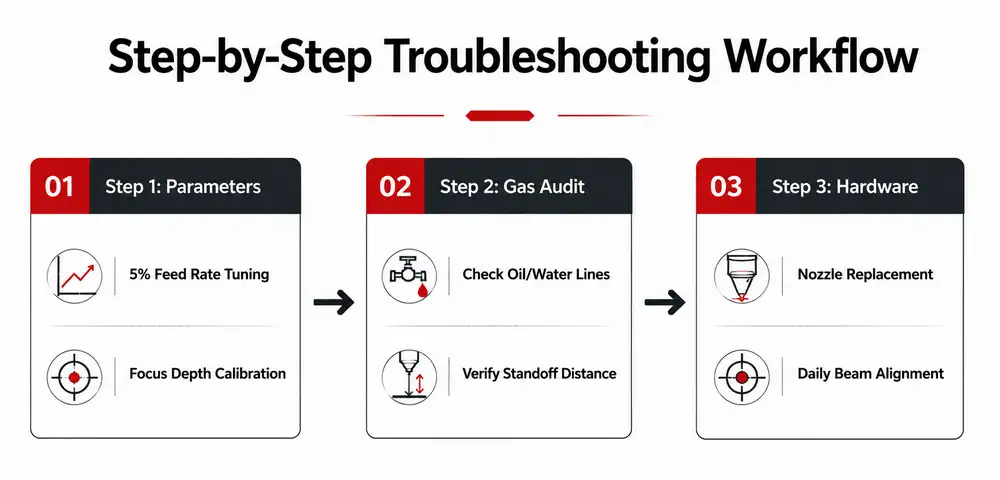
5.1 Step 1: Systematic Parameter Optimization Protocol

  • Isolate the variable: Never change multiple parameters at once. Start by applying correct laser cutting parameter optimization methods, adjusting your cutting feed rate in incremental steps of 5%.
  • Analyze the dross texture: If the dross is thin and brittle, you are likely cutting too fast; if it is thick and globby, you are likely moving too slow or running excessive power.
  • Calibrate focus depth: Run a series of scrap test cuts adjusting your focal position up and down by 0.5mm increments until the bottom edge clears entirely.

5.2 Step 2: Comprehensive Gas Delivery Audit

  • Inspect air/gas lines: Check for hidden oil or water contamination coming from your compressors or bulk storage systems, as moisture instantly ruins cut quality and triggers laser cutting bottom edge dross causes.
  • Verify standoff distance: Use your machine's diagnostic software to re-calibrate the capacitive height control sensor. If the nozzle drifts too far from the plate during cutting, gas pressure drops exponentially before hitting the kerf.

5.3 Step 3: Rigorous Hardware Inspection Checklist (Preventative Maintenance)

  • Establish proactive nozzle swaps: Do not wait for a nozzle to completely burn out. Inspect tips every shift and replace them at the first sign of orifice wear.
  • Execute routine beam alignment: Perform a "tape test" daily to verify that the laser beam is running dead-center through the nozzle opening.
  • Inspect optical windows: Pull and inspect the protective cover glass regularly. Clean it with optical-grade solvent or replace it immediately if micro-pits are visible.
Step-by-Step Troubleshooting & Engineering Solutions

6. Advanced Solutions for High-Power Fiber Lasers (10kW+)

As modern sheet metal fabrication shifts heavily toward ultra-high-power fiber lasers (10kW to 30kW+), traditional dross troubleshooting methods must evolve.

High-power cutting generates immense thermal energy, making melt-pool control much harder on thick plates.

To combat this, leading machine manufacturers now utilize advanced beam shaping technologies. By using high-power fiber laser beam shaping for thick plate cutting, such as adjustable ring mode (ARM) fibers or core-to-ring power distribution, operators can alter the beam profile in real-time—using the inner core for deep penetration and the outer ring to preheat or widen the kerf, effectively eliminating laser cutting dross.

Furthermore, modern CNC software suites now include intelligent features like dynamic power ramping during piercing, automated lead-in/lead-out path optimization, and micro-joint management to prevent localized thermal shock and slag buildup on complex contours.

7. Conclusion & Best Practices for Long-Term Prevention

Mastering the eradication of laser cutting dross is not about luck; it is a systematic engineering discipline.

By maintaining pristine optical components, strictly auditing assist gas purity and pressure, and carefully fine-tuning your cutting parameters to match material behavior while deploying efficient dross-free laser cutting solutions, you can completely banish slag from your shop floor.

Preventing dross saves hundreds of hours of grueling secondary labor, protects your profit margins, and ensures your shop consistently delivers world-class, ready-to-weld metal components.

8. Frequently Asked Questions (FAQ)

Q1: Why is my fiber laser suddenly leaving heavy dross on the bottom of thin sheets?

A sudden onset of dross on a material that previously cut cleanly almost never points to a parameter issue. Look first for hardware culprits: a contaminated protective lens, a spatter-damaged nozzle tip, or a sudden pressure drop in your facility's oxygen supply line.

Q2: Does a worn or off-center laser nozzle directly cause bottom-edge dross?

Yes, absolutely. A worn or thermally warped nozzle orifice destroys the aerodynamic laminar flow of the assist gas, while an off-center beam starves one side of the kerf, leaving the molten metal without the uniform momentum it needs to exit cleanly.

Q3: How do I adjust my focus position to stop dross on thick stainless steel?

For thick stainless steel, shifting toward a deeper negative focal position moves the highest energy concentration closer to the bottom edge of the plate, keeping the molten metal fluid longer so the assist gas can completely blow it out.

Q4: Is my assist gas pressure too high or too low when continuous jagged dross appears?

Continuous jagged or rough dross often points to assist gas pressure that is either too low to provide enough ejection force, or excessively high, which creates unwanted aerodynamic turbulence and premature cooling inside the kerf.

Q5: What is the minimum nitrogen purity required for dross-free stainless steel cutting?

To achieve completely clean, oxide-free, and dross-free edges on industrial stainless steel, your nitrogen assist gas purity must reach a minimum of 99.995%(grade 4.5). Even a slight dip can form a sticky chromium oxide film that locks dross in place.

Q6: How does cutting speed mismatch affect slag accumulation in mild steel?

Moving too fast prevents the laser from penetrating the lower portion of the sheet, while moving too slow creates an over-melted pool of liquid iron that cools into heavy, difficult-to-remove slag.

Q7: Can high-power fiber laser beam shaping eliminate dross on complex contours?

Yes. Utilizing dynamic beam profile adjustment allows high-power fiber lasers to control energy distribution during sharp corners and complex contours, minimizing thermal distortion and preventing localized dross buildup.

Recommended Related Readings

To further optimize your laser cutting operations and deepen your engineering knowledge, explore these related technical resources:


  1. How to Evaluate an Industrial Laser Cutting Machine: A Buyer’s Guide Beyond Price and Power
  2. The Ultimate Laser Cutting Nozzle Selection & Troubleshooting Guide

TAGS:

Laser Cutting Dross

Fiber Laser Troubleshooting

Parameter Optimization

Assist Gas Control

Sheet Metal Fabrication

Dross-Free Solutions

ZG Laser

Keep Reading

Related Articles

View mORE NewS