Marine Laser Shipbuilding Solutions
From ultra-large-format steel plate cutting to high-power hybrid welding and eco-friendly rust removal, our advanced industrial laser systems deliver the structural integrity, efficiency, and micro-level accuracy required to meet modern maritime and class certification standards.
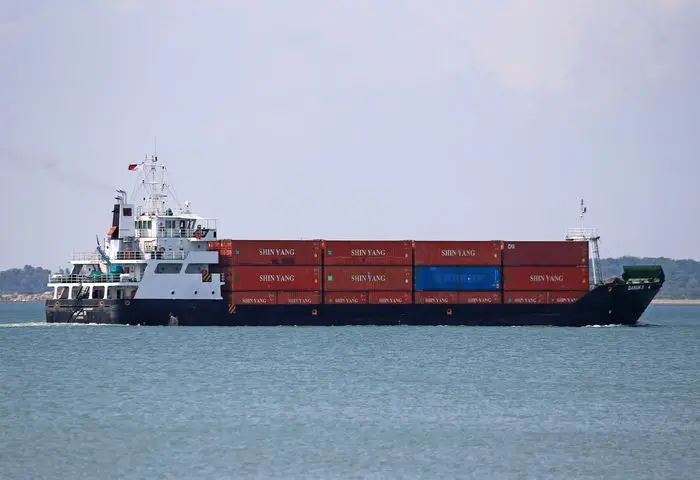
Shipbuilding: Efficiency & Structural Integrity
The global shipbuilding sector is undergoing a major transition toward greener, smarter manufacturing. Historically, marine vessel fabrication has operated under intensive manual processes, long production cycles, and demanding environments where corrosion resistance and dimensional tolerances are paramount.
With the rise of modern ship designs that heavily utilize high-strength steels, non-ferrous alloys, and thin-plate structures, traditional cutting and welding techniques are struggling to keep up. Shipyards are increasingly seeking alternatives to inefficient, labor-intensive, and environmentally taxing methods. Incorporating advanced **laser technology in shipbuilding** has emerged as a reliable path to optimizing processing speed, eliminating expensive secondary rework, and ensuring long-term vessel safety.
Key Shipbuilding & Marine Manufacturing Challenges
Understanding the critical pain points that shipbuilders face daily—and how industrial laser systems address each one.
-

Poor Cutting Accuracy
Traditional plasma and flame cutting produce wide kerfs, slag, and large heat-affected zones (HAZ). This limits cutting accuracy to 2.5–3 mm, requiring extensive secondary grinding and causing assembly errors.
-
Severe Thermal Welding Deformation
High heat input from conventional arc welding causes severe distortion in medium-to-thick carbon steel plates. This demands labor-intensive post-weld straightening, which accounts for 30%–40% of total hull construction hours.
-
Double-Sided Welding Bottlenecks
Traditional submerged arc welding requires massive hull plates to be physically turned over for back-side welding. This process requires costly specialized equipment and presents serious safety risks.
-
Distortion in Thin-Plate Structures
Modern vessels, such as cruise ships, rely on 4–8 mm thin plates to reduce weight and fuel consumption. However, these thin materials are highly susceptible to buckling under the heat of traditional welding.
-
Inefficient & Polluting Surface Preparation
Traditional sandblasting and chemical cleaning for rust removal create hazardous working conditions, generate heavy chemical waste, and can damage substrates while leaving behind welding porosities.
-
Welding High-Strength & Non-Ferrous Alloys
Standard methods struggle to ensure weld quality, ductility, and hermetic sealing when joining advanced marine materials like high-strength steel, titanium, copper, and stainless steel.


Industrial Laser Systems Engineered for Marine & Shipbuilding Applications
Purpose-built, high-power laser systems designed to optimize shipyard throughput, eliminate secondary processing, and ensure class-compliant structural integrity.
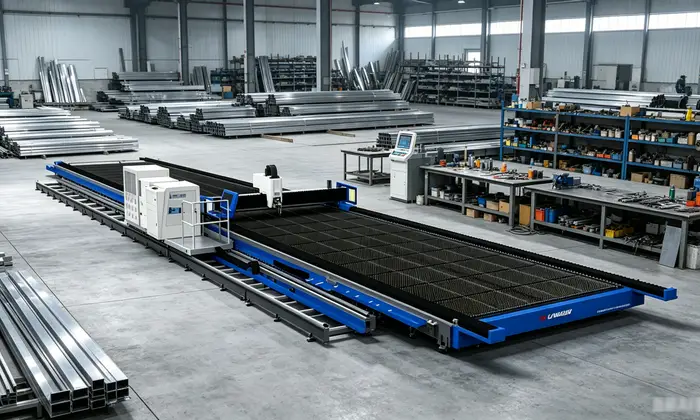
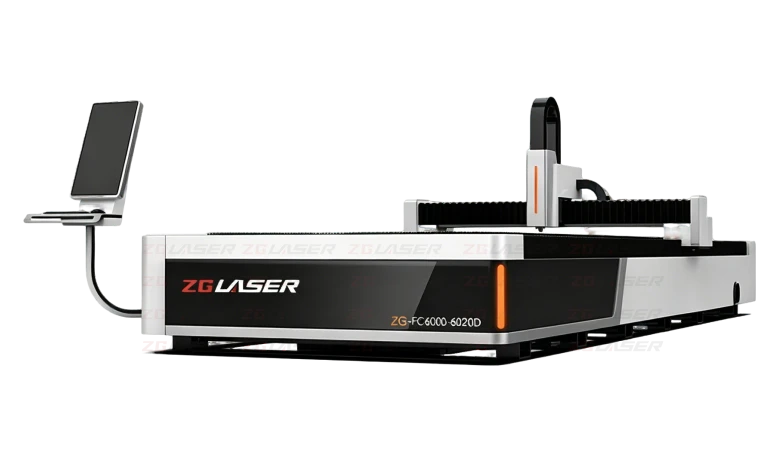
Ultra-Large-Format Fiber Laser Cutting Machine
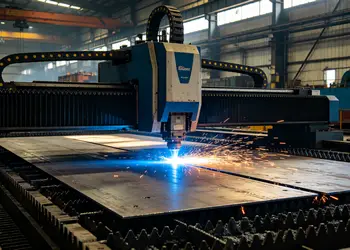
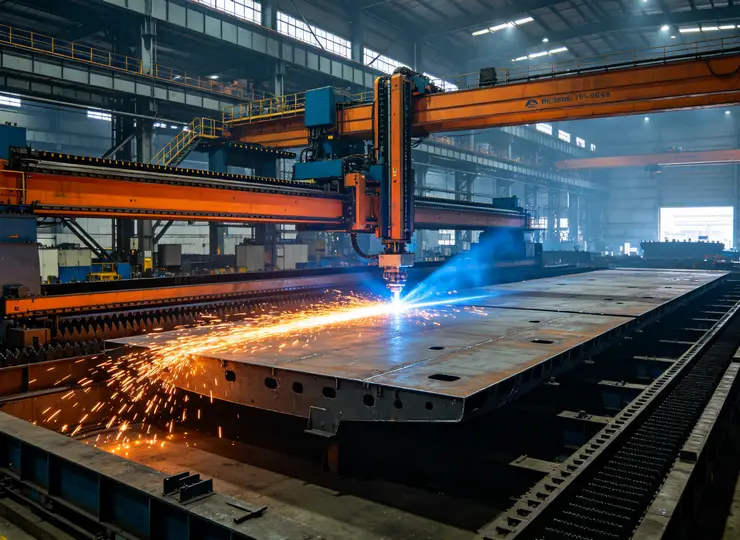
Specifically designed for heavy-duty shipyards, this rail-guided system processes giant steel plates and ship decks in a single pass, eliminating splicing errors and improving material utilization.
- Processing envelope with lengths up to 50 m and widths up to 5 m.
- Intelligent A/B dual swing-axis bevel mechanism supporting ±45° cuts.
- Accuracy of ±0.05 mm compared to the 2.5–3 mm tolerance of plasma cutting.
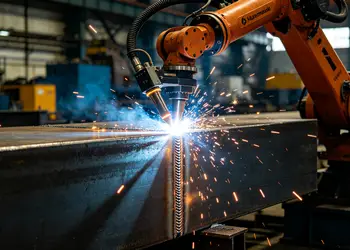
High-Power Laser-Arc Hybrid Welding System
A multi-axis robotic or gantry hybrid welding system integrating high-power fiber lasers with conventional arc welding to weld thick hull plates and structural frames with minimal heat input.
- Configured with 20 kW to 30 kW continuous-wave (CW) fiber lasers.
- Achieves single-sided welding with double-sided formation on 6–30 mm plates, eliminating turnover operations.
- Integrates high-accuracy laser seam tracking and adaptive path correction systems.
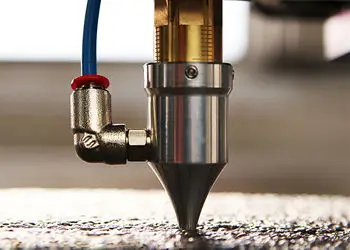
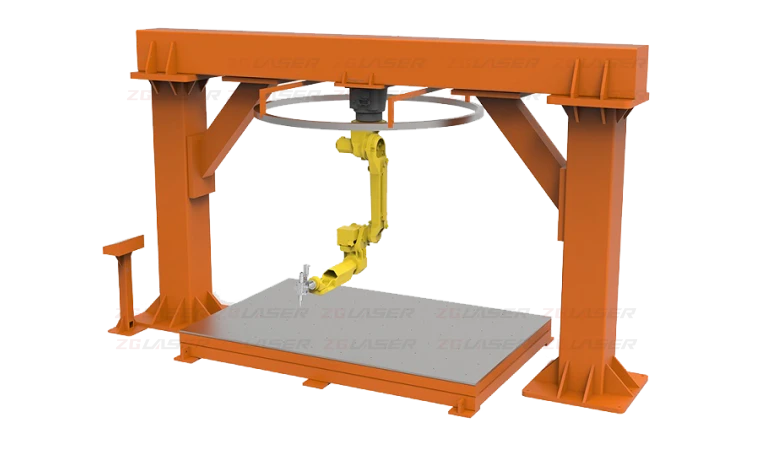
Marine Laser Cladding Repair Workstation
A robotic surface enhancement and dimensional restoration system that deposits protective alloy coatings onto critical marine components exposed to harsh seawater environments.
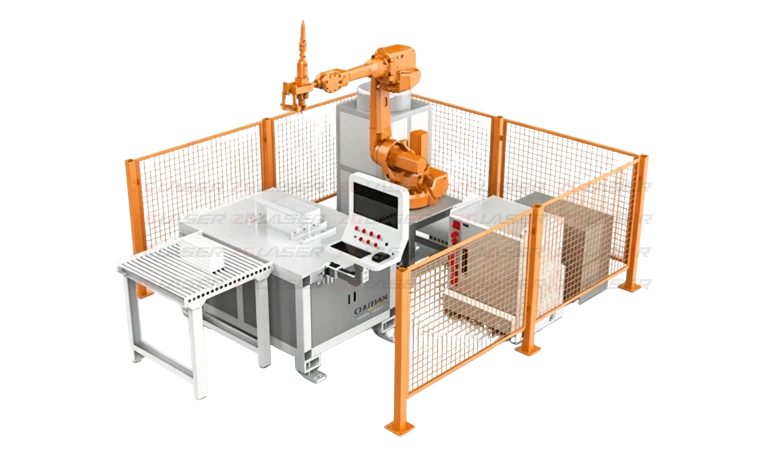
- Equipped with a 6-axis industrial robot, horizontal rotary table, and powder feeder.
- Specialized blind-hole cladding heads (minimum bore 80 mm) for complex inner geometries.
- Delivers low-dilution, wear-resistant, and corrosion-resistant metallurgical bonds with minimal heat-affected zones (HAZ).
Marine and Shipbuilding Laser Applications in Action
Real-world scenarios where industrial laser technology replaces traditional fabrication methods to improve shipyard productivity and extend component life.
-
DECK & HULL FABRICATION
Large-Format Steel Plate Cutting
Single-pass processing of massive decks and ship floor plates (20–60 mm thickness) with integrated beveling, reducing structural splicing and boosting cutting efficiency by 50%.
-
PANEL ASSEMBLY
Laser-Arc Hybrid Welding of Hull Plates
Butt-welding of flat-panel sections and structural steel sandwich panels without plate turnover, reducing welding consumables by 80% and electricity consumption by 40%.
-
SURFACE PREPARATION
Shipyard Laser Cleaning for Rust & Paint Removal
Non-contact, dust-free vaporization of marine oxides and thick rust prior to block assembly, preventing welding porosity at an atomic level.
-
PROPULSION & MACHINERY REPAIR
Marine Laser Cladding for Propellers & Shafts
High-precision alloy deposition to repair worn propulsion shafts, rudders, crankshafts, and propellers, extending the wear and corrosion resistance of high-value components.

Your Partner in Marine Laser Manufacturing
With over 35 years of dedicated industrial experience and hundreds of highly specialized installations worldwide, ZG Laser understands the demanding, heavy-duty requirements of the maritime manufacturing floor.
-
Marine & Class Compliant
Equipment and processes designed to meet strict international maritime certification guidelines and quality systems.
-
400+ Patents
Proprietary multi-axis cutting, hybrid welding, and advanced cleaning technology protected by our extensive global patent portfolio.


AEROSPACE INSTALLATIONS
Explore Our Aerospace Product Range
-
01Flat Fiber Laser Cutting Machine | High Speed Sheet Metal Laser CutterPower Range:1000W-15000W High-precision flat laser equipment for standard metal sheet batch cutting. Delivers fast, stable cutting with smooth edge and minimal material waste. Features simple operation, low maintenance and high cost performance for mass production.
-
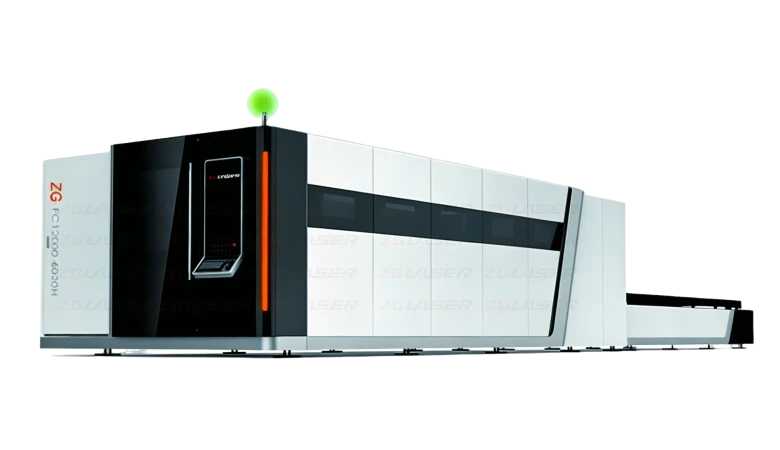
02High Power Exchange Table Laser Cutting MachineHigh Power Exchange Laser Cutting Machine ZG-FC-3015/4020/6020/8025 Equipped with 3000W-20000W high-power laser source for thick metal cutting. Dual exchange tables realize uninterrupted production with zero waiting time. Delivers high-speed, high-precision cutting for heavy industrial batch manufacturing.
-
03Robotic 3D Laser Cutting Machine6-axis robot cooperates with fiber laser for omnidirectional 3D cutting. Flexible trimming, punching and profiling for complex curved workpieces. High automation and adaptability for irregular industrial components.
-
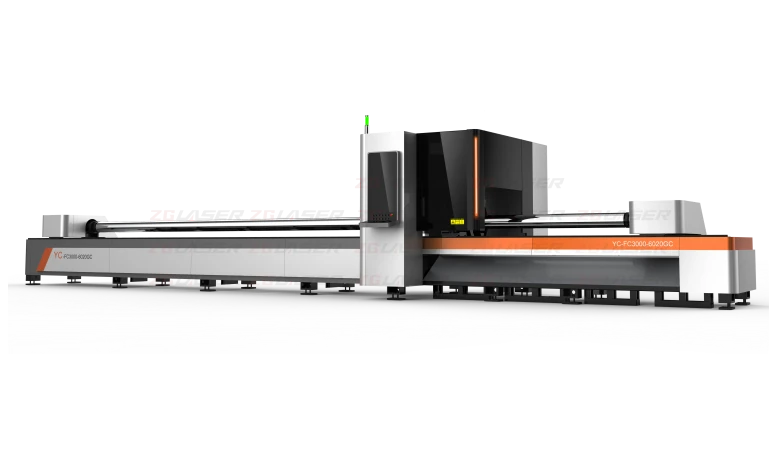
04Standard Tube Fiber Laser Cutting MachineSupports multi-shape metal tube precise cutting. Simple structure, easy operation and cost-efficient. Suitable for small and medium batch pipe processing.
-
05Intelligent Robotic Laser Welding MachineIntelligent robot arm enables full automatic precise welding. Superior beam quality ensures smooth and high-strength weld seam. Flexible fiber output adapts to complex irregular workpieces.
-
06Portable Handheld Laser Welding MachinePortable handheld design for flexible multi-scenario welding. Superior beam quality ensures smooth, low-deformation welding seams. High efficiency and maintenance-free for universal metal processing.